
How Coworking Spaces Enable Entrepreneurs to Build Powerful Networks
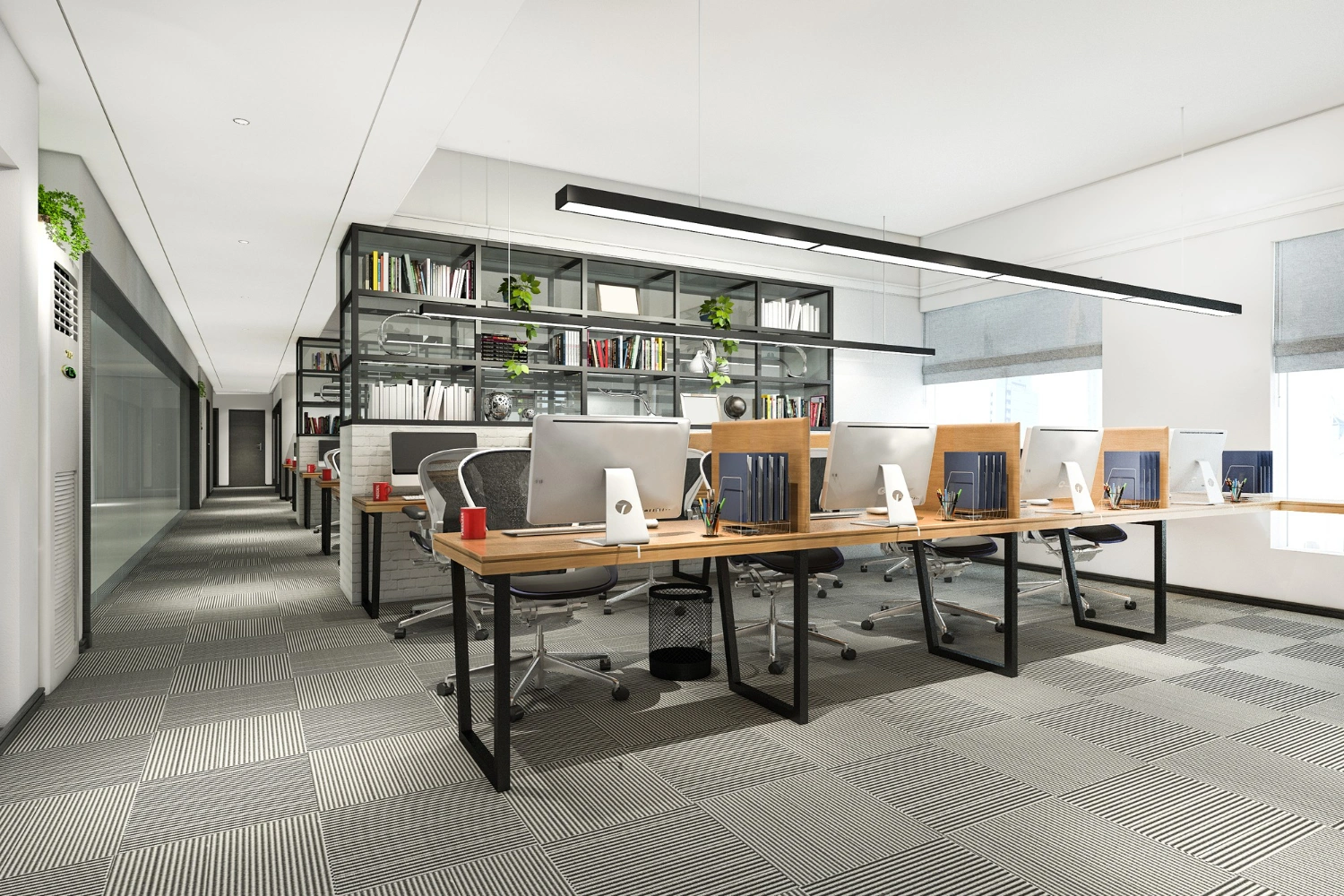
If you’re an entrepreneur looking to grow your business, the workspace you choose matters far more than most people realize. Coworking spaces have evolved from a simple alternative to the home office into vibrant professional ecosystems and one of their most powerful and underrated advantages is networking.
Building a strong network is one of the hardest parts of entrepreneurship, especially in the early stages. Investors, collaborators, mentors, and clients don’t magically appear because you have a great idea. You need the right environment to meet them. Coworking creates that environment every single day.
This article breaks down exactly how shared workspaces drive meaningful professional connections, why they’re particularly valuable for startups, and what to look for when choosing a space that actively supports your growth.
Table of Contents
- Introduction
- Why Networking Is a Make-or-Break Factor for Entrepreneurs
- How Coworking Spaces Create Natural Networking Opportunities
- The Role of Community Events and Workshops
- Shared Office Space as a Launchpad for Startups
- Flexibility That Supports Business Growth
- Mentorship and Skill-Sharing in Coworking Communities
- Coworking vs. Working From Home: The Networking Gap
- Sprint Coworks: Where Entrepreneurs Connect and Grow
- FAQ
- Conclusion
Why Networking Is a Make-or-Break Factor for Entrepreneurs
Ask any successful founder and they’ll tell you: your network is your net worth. Early-stage businesses are built on relationships — the right introduction can unlock funding, a key hire, or your first major client.
Yet most entrepreneurs operate in isolation. Home offices are convenient, but they are professional dead zones. Traditional office spaces are efficient, but they wall you off from everyone outside your team.
The numbers back this up. A study published in Harvard Business Review revealed that 82% of individuals using coworking office space said these environments helped grow their professional networks, while 64% indicated that networking within coworking space served as a key source of job and business referrals.
Research from Small Business Labs further showed that 82% of coworking space users experienced less loneliness after becoming members. This suggests that connection offers not only professional benefits but also significant advantages for personal well-being.
How Coworking Spaces Create Natural Networking Opportunities
Traditional networking feels transactional because it often is: you go to an event, exchange cards, and hope something sticks. Coworking works differently. The connections form organically, in the flow of a normal workday.
The Power of Proximity
Physical closeness drives collaboration in ways that digital tools cannot replicate. When you share a kitchen, a lounge, or a printer queue with someone building a company in a complementary field, conversations happen naturally. Casual conversations by the coffee machine can evolve into fruitful partnerships, and shared challenges can lead to collaborative solutions.
According to research from Deskmag, 86% of coworking space users reported having a broader professional network than they did when working alone. Being in close physical proximity to others is not merely a minor advantage but a quantifiable factor that actively fosters new connections.
Diverse Professional Communities
One of the distinctive advantages of a shared office space is the cross-industry mix of members. On any given day, you might be working alongside a graphic designer, a tech founder, a marketing consultant, and a financial advisor. That diversity creates exposure to perspectives, skill sets, and networks you wouldn’t encounter in a conventional office.
For a startup, this is invaluable. You never know when a conversation with a UX designer leads to a branding collaboration, or when a chat with a neighbor surfaces an investor introduction.
Member Directories and Community Tools
Many coworking office spaces go beyond physical interaction. They have directories that list members and their expertise, which is a good resource members can use to identify professionals who can contribute to their projects, and skill-sharing sessions are great for spotting individuals with the knowledge their teams need.
The Role of Community Events and Workshops
One of the clearest differentiators between a great coworking space and a mediocre one is the quality of its programming. A survey linked to the Global Coworking Unconference Conference (GCUC) found that the majority of coworking environments organize regular networking events and a significant share also host workshops and educational sessions. These aren’t optional extras, but they’re central to what makes shared workspaces tick.
Structured Networking Events
Hosted mixers, demo days, investor panels, and industry meetups give members a reason to step away from their screens and engage with the broader community. For entrepreneurs who are naturally heads-down, these events create structured touchpoints that feel far less forced than cold outreach.
Regular attendance matters. Consistency builds familiarity and familiarity builds trust, and it is the actual currency of strong professional networks.
Skill-Sharing Sessions and Masterclasses
Beyond networking, coworking spaces for startups often host workshops on topics like fundraising, product development, digital marketing, or legal essentials. These sessions educate members and bring them together around shared interests, creating natural conversation starters and collaboration seeds.
Guest Speaker Series
Many coworking communities provide educational resources that go beyond physical workspace — workshops, mentorship programs, guest speakers, and skill-building sessions give entrepreneurs access to valuable industry knowledge. Sitting in the same room as a seasoned operator and being able to ask a follow-up question afterward is a rare opportunity you cannot manufacture from a home office.
Shared Office Space as a Launchpad for Startups
Beyond networking, a shared office space gives startups something critical: credibility. Meeting a potential client or investor in a well-designed, professionally equipped workspace sends a very different signal than a video call from a bedroom.
Professional Infrastructure Without Long-Term Commitment
Startups often face budget constraints and the need for flexible work arrangements. Coworking office spaces address this reality by offering flexible membership options, from hot desks to private offices, without the need to commit to expensive long-term leases.
Key benefits that coworking spaces for startups provide:
- Access to fully equipped meeting rooms and presentation facilities
- High-speed internet and business-grade tech infrastructure
- A prestigious business address without the overhead of a permanent office
- Shared amenities like printers, phone booths, and event spaces
- The ability to scale up or down as the team grows or contracts
A Prestigious Address That Builds Trust
For early-stage companies, perception matters. Being associated with a reputable address in a business hub, rather than a residential postcode, can meaningfully impact how clients and investors perceive your company. Renting out a coworking space in a respected area can be a cost-effective way for smaller companies to gain the benefit of a prestigious address.
Flexibility That Supports Business Growth
Workspace flexibility trends have shifted dramatically in recent years. The rise of hybrid work models has pushed companies of all sizes toward flexible office solutions, and the coworking industry has responded by becoming more sophisticated.
Workspace Flexibility Trends Shaping 2025 and Beyond
A report by The Business Research Company estimates that the coworking market will expand from $23.35 billion in 2024 to $27.64 billion in 2025, fueled by various cultural changes, particularly the increasing demand for flexible work options.
Key trends currently defining the space:
- Hybrid workspace models — companies covering coworking memberships for employees who split time between home and office
- Niche-specific spaces — tech hubs, creative studios, and industry-focused environments that curate more targeted member communities
- Wellness integration — spaces incorporating natural light, greenery, and fitness access into their design
- On-demand access — day passes and drop-in memberships that remove the barrier to entry
Benefits of Flexible Workspaces for Growing Businesses
The benefits of flexible workspaces extend well beyond cost savings. When entrepreneurs are not tied to one location or locked into one style of working, they can:
- Test new markets by working from coworking locations in different cities
- Bring in remote contractors without needing a dedicated office setup
- Maintain productivity during periods of growth or transition
- Access professional facilities on demand, paying only for what they use
Mentorship and Skill-Sharing in Coworking Communities
One of the most underappreciated aspects of a high-quality coworking community is access to informal mentorship. The best spaces create conditions where experienced professionals naturally share knowledge with those earlier in their journey.
Informal Mentorship Through Daily Interaction
When you work alongside someone who has already navigated the challenges you are currently facing, such as fundraising, hiring, and scaling, you have access to lived experience that no course or book can replicate.
According to a study published in Harvard Business Review, 80% of coworking space users rely on fellow members for advice or assistance—a degree of mutual support that is largely absent in both home offices and isolated corporate settings.
Peer-to-Peer Learning
Skill exchanges are another powerful output of close-knit coworking communities. A developer might trade technical guidance with a marketer who helps sharpen their messaging. A designer might collaborate with a copywriter in exchange for visual assets. These skill exchanges are a powerful way to deepen connections and broaden expertise.
Coworking vs. Working From Home: The Networking Gap
Home offices offer genuine advantages: no commute, low cost, and total autonomy. But for entrepreneurs who need to build a business network, they create a structural problem. Working from home means your professional network grows only as fast as your intentional outreach. Coworking reverses that dynamic. Connections come to you as a natural byproduct of sharing a space with other motivated professionals.
| Factor | Home Office | Coworking Space |
| Daily networking exposure | Near zero | High, organic daily interactions |
| Access to events & workshops | Self-arranged | Built into membership |
| Professional meeting facilities | Limited | Fully equipped on-demand |
| Mentorship access | Self-sourced | Community-embedded |
| Business referrals | Requires active networking | Emerges naturally from the community |
| Sense of community | Isolated | Structurally supported |
For founders at any stage, this table tells a clear story. The coworking environment is not just more social; it is more strategically productive for business growth.
Sprint Coworks: Where Entrepreneurs Connect and Grow
For entrepreneurs who want more than just a desk and a community that genuinely accelerates their growth, Sprint Coworks is built with that purpose in mind.
Sprint Coworks is one of India’s leading coworking spaces designed to serve freelancers, startups, and growing businesses. More than a workspace, it functions as a professional ecosystem where members share ideas, opportunities, and momentum, and not just square footage.
Flexible Office Solutions for Every Stage
Sprint offers a variety of workspaces designed to accommodate the needs of companies of all sizes and stages. All shared workplaces include access to common areas such as cafés, meeting rooms, lounges, and wellness rooms. These workspaces include managed office spaces, service suites, coworking offices, and meeting rooms.
A Curated, High-Growth Community
The member community at Sprint Coworks is deliberately diverse. Professionals from technology, design, finance, marketing, and other sectors share the space, creating daily opportunities for cross-industry connections. Whether you’re looking for a co-founder, a collaborator, or your next client, the environment is designed to surface those relationships.
Spaces That Foster a Collaborative Community Culture
Sprint Coworks is thoughtfully designed to nurture a strong sense of community through its dedicated event and collaboration spaces. Instead of just providing workstations, Sprint enables businesses to create their own moments of connection.
With well-planned event spaces, members have the flexibility to host team sessions, knowledge-sharing meetups, or informal gatherings that strengthen relationships within the ecosystem. These spaces naturally encourage interaction, idea exchange, and collaboration among professionals from different industries. By empowering members to engage, connect, and collaborate on their own terms, Sprint Coworks helps cultivate a more organic and self-driven community culture.
Professional Infrastructure That Means Business
High-speed internet, fully equipped meeting rooms, business address services, and premium amenities ensure that when you meet clients, partners, or investors at Sprint Coworks, you make the right impression.
A Focus on Founder Success
Sprint Coworks understands that the entrepreneurs who thrive are the ones who stay connected. The space is built to eliminate the isolation that stunts early-stage growth, replacing it with a culture of collaboration and mutual support.
If you’re a founder, freelancer, or small team looking for a workspace that actively contributes to your growth and not just a place to plug in your laptop, the Sprint Coworks deserves a serious look.
Conclusion
The coworking revolution is not just about replacing the home office with a nicer desk. It’s about changing the fundamental conditions under which entrepreneurs build their businesses.
In a coworking space, your network grows as a natural byproduct of your daily environment. Mentors appear in the kitchen. Collaborators sit two rows away. Clients attend the same workshop. Investors show up to community events. None of this happens by accident, but it happens because shared workspaces are designed to bring the right people together.
For entrepreneurs who are serious about growth, the data is unambiguous: coworking environments expand professional networks, generate business referrals, reduce isolation, and provide the flexible infrastructure startups need to move fast.
If you’ve been building your business in isolation, it may be the most limiting decision you don’t realize you’re making. The right coworking community, one with strong programming, a diverse membership, and a genuine culture of support, can be the accelerant your business has been missing.
The best time to find your community was when you started. The second-best time is now.
FAQs
How do coworking spaces help entrepreneurs network more effectively?
Coworking office spaces create networking opportunities that are organic rather than forced. By sharing common areas, attending community events, and working alongside professionals from diverse industries, entrepreneurs build connections naturally. Research shows that 82% of coworking members report an expansion of their professional networks, and 64% gain new business directly from coworking relationships.
Are coworking spaces worth it for early-stage startups?
For most early-stage startups, coworking offers significant value. They eliminate the overhead and commitment of a traditional office lease, provide ready-made professional infrastructure, and place founders inside a community of peers, mentors, and potential collaborators. The networking and knowledge-sharing benefits alone often justify the cost.
What is a shared office space, and how does it differ from a traditional office?
A shared office space is a workspace where professionals from different companies, industries, or backgrounds work in a common environment. Unlike a traditional office, where one organization controls the entire space, a shared office space distributes desks, meeting rooms, and amenities across multiple members, making it more cost-effective and community-oriented.
What are the main benefits of flexible workspaces for growing businesses?
Flexible workspaces allow businesses to scale without being locked into long-term leases. They provide access to professional facilities on demand, support hybrid work models, and reduce overhead costs. Beyond the economics, flexible office solutions place entrepreneurs in communities that accelerate their networks and their growth.
How does coworking help combat entrepreneurial burnout and isolation?
Isolation is a genuine risk for solo founders and small teams. Coworking environments address this directly by building community into the structure of the workspace. Regular events, shared common areas, and a culture of mutual support help entrepreneurs stay motivated and mentally resilient.
What should I look for when choosing a coworking space for my startup?
Look for a space with a strong community culture, regular programming and events, workspace flexibility that matches your growth trajectory, and professional-grade facilities. Most importantly, assess the quality and diversity of the member community, and that is where your network will come from.
What type of workspaces does Sprint offer?
Sprint offers a variety of workspaces designed to accommodate the needs of companies of all sizes and stages. All shared workplaces include access to common areas such as cafés, meeting rooms, lounges, and wellness rooms. These workspaces include managed office spaces, service suites, coworking offices, and meeting rooms.
Is Sprint Coworks suitable for early-stage startups and first-time entrepreneurs?
Sprint Coworks is an excellent fit for early-stage startups and first-time entrepreneurs. The community is curated to include professionals at various stages of their journey, which means founders have access to peer support, informal mentorship, and collaboration opportunities from day one. The flexible office solutions available at Sprint Coworks also mean startups can get started without overcommitting on space or cost.
Looking for a coworking space that puts community and connection at the center? Explore Sprint Coworks and discover a workspace built for the way entrepreneurs actually grow.
Sources:
HBR – Coworking & Loneliness Study
Hera Hub – Benefits of Coworking
GCUC – Coworking Industry Statistics
GCUC – Coworking Megatrends 2026
Industrious – Future of Coworking Spaces
Deskmag – Global Coworking Survey